









Want to dedicate learning? Get started here:

Summary

Rav Huna differentiates between those living in exile in Babylonia and those living in other places regarding their nature.
Rav Chisda (or Rav) is quoted as making a statement differentiating between gentiles who live in different places in the world, specifically in reference to whether or not they recognize God and the place of the Jewish people. However, after raising a difficulty, this statement is emended.
A number of Sages extrapolate different verses to highlight the importance of Torah study by comparing it to sacrifices. One view explains that God treats those who study Torah as if they have physically offered sacrifices in the Temple. Another view goes further, suggesting that one who studies Torah has no need for sacrifices at all, effectively idealizing Torah study as a superior form of divine service.
The Mishna compares one who sacrifices animals to one who sacrifices birds and to one who sacrifices mincha offerings, stressing that all sacrifices are equal before God—those of the wealthy and those of the poor—as the most important element in sacrifices is the intent.
Sacrifices are offered to God and are not intended for God’s benefit, but for the person bringing the sacrifice, which further highlights the importance of the person’s intention rather than the outward action.
- For more information about What is a Siyum, click here
- For the text of the Hadran ceremony, click here.
Today’s daily daf tools:
Siyum Menachot is sponsored by the Shuster family in loving memory of Randi Shuster’s father, Dr. Elliot Shimoff, Eliyahu Chaim ben haRav Ephraim. “He attended daf yomi for several years and his shul Congregation Shomrei Emunah of Baltimore made a siyum on Menachot for his shloshim seuda. It will be a great elevation of his neshama for him that his children Danny Shimoff and Randi Shuster now complete the very same masechet in his honor.”
Menachot 110
וְנִשְׁבָּעוֹת לַה׳ צְבָאוֹת״. הָלְכוּ לַאֲלֶכְּסַנְדְּרִיָּא שֶׁל מִצְרַיִם וּבָנוּ מִזְבֵּחַ וְהֶעֱלוּ עָלָיו לְשֵׁם שָׁמַיִם, שֶׁנֶּאֱמַר: ״בַּיּוֹם הַהוּא יִהְיֶה מִזְבֵּחַ לַה׳ בְּתוֹךְ אֶרֶץ מִצְרָיִם״.
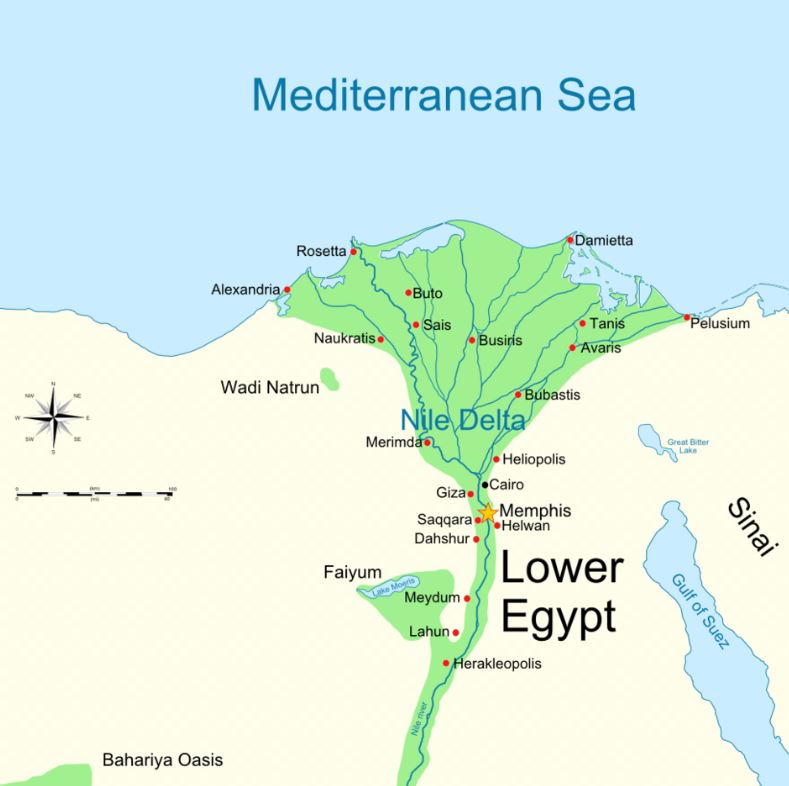
and swear to the Lord of hosts; one shall be called the city of destruction” (Isaiah 19:18). They went to Alexandria in Egypt and built an altar and sacrificed offerings upon it for the sake of Heaven, as it is stated in the following verse: “In that day shall there be an altar to the Lord in the midst of the land of Egypt, and a pillar at its border, to the Lord” (Isaiah 19:19).
״עִיר הַהֶרֶס יֵאָמֵר לְאַחַת״, מַאי ״עִיר הַהֶרֶס יֵאָמֵר לְאֶחָת״? כְּדִמְתַרְגֵּם רַב יוֹסֵף: ״קַרְתָּא דְּבֵית שֶׁמֶשׁ דַּעֲתִיד לְמִיחֲרַב״, אִיתְאֲמַר דְּהִיא חֲדָא מִנְּהוֹן. וּמִמַּאי דְּ״עִיר הַהֶרֶס״ לִישָּׁנָא דְּשִׁימְשָׁא הִיא? דִּכְתִיב: ״הָאוֹמֵר לַחֶרֶס וְלֹא יִזְרָח״.
The verse states: “One shall be called the city of destruction” (Isaiah 19:18). The Gemara asks: What is the meaning of the verse: “One shall be called the city of destruction”? The Gemara answers: As Rav Yosef translates into Aramaic: Concerning the City of the Sun, which will be destroyed in the future, it will be said that it is one of them. And from where is it derived that in the phrase: “The city of destruction [heres],” the term heres is referring to the sun? As it is written: “Who commands the sun [ḥeres], and it does not rise; and seals up the stars” (Job 9:7).
״הָבִיאִי בָנַי מֵרָחוֹק וּבְנוֹתַי מִקְצֵה הָאָרֶץ״ – ״הָבִיאִי בָנַי מֵרָחוֹק״, אָמַר רַב הוּנָא: אֵלּוּ גָּלִיּוֹת שֶׁל בָּבֶל, שֶׁדַּעְתָּן מְיוּשֶּׁבֶת עֲלֵיהֶן כְּבָנִים. ״וּבְנוֹתַי מִקְצֵה הָאָרֶץ״ – אֵלּוּ גָּלִיּוֹת שֶׁל שְׁאָר אֲרָצוֹת, שֶׁאֵין דַּעְתָּן מְיוּשֶּׁבֶת עֲלֵיהֶן כְּבָנוֹת.
§ After mentioning the Jewish community in Egypt, the Gemara discusses Jewish communities in other locations. The verse states: “Fear not, for I am with you; I will bring your seed from the east and gather you from the west; I will say to the north: Give up, and to the south: Keep not back, bring My sons from far, and My daughters from the end of the earth” (Isaiah 43:5–6). What is the meaning of “bring My sons from far”? Rav Huna says: These are the exiles of Babylonia, whose minds are calm, like sons, and who can therefore focus properly on Torah study and mitzvot. What is the meaning of “and My daughters from the end of the earth”? These are the exiles of other countries, whose minds are unsettled, like daughters.
אָמַר רַבִּי אַבָּא בַּר רַב יִצְחָק, אָמַר רַב חִסְדָּא, וְאָמְרִי לַהּ אָמַר רַב יְהוּדָה, אָמַר רַב: מִצּוֹר וְעַד קַרְטִיגְנֵי מַכִּירִין אֶת יִשְׂרָאֵל וְאֶת אֲבִיהֶם שֶׁבַּשָּׁמַיִם, וּמִצּוֹר כְּלַפֵּי מַעֲרָב וּמִקַּרְטִיגְנֵי כְּלַפֵּי מִזְרָח אֵין מַכִּירִין אֶת יִשְׂרָאֵל וְלֹא אֶת אֲבִיהֶן שֶׁבַּשָּׁמַיִם.
§ Rabbi Abba bar Rav Yitzḥak says that Rav Ḥisda says, and some say that Rav Yehuda says that Rav says: The gentiles living from Tyre to Carthage recognize the Jewish people, their religion, and their Father in Heaven. But those living to the west of Tyre and to the east of Carthage recognize neither the Jewish people nor their Father in Heaven.
אֵיתִיבֵיהּ רַב שִׁימִי בַּר חִיָּיא לְרַב: ״מִמִּזְרַח שֶׁמֶשׁ וְעַד מְבוֹאוֹ גָּדוֹל שְׁמִי בַּגּוֹיִם וּבְכׇל מָקוֹם מֻקְטָר מֻגָּשׁ לִשְׁמִי וּמִנְחָה טְהוֹרָה״. אֲמַר לֵיהּ: שִׁימִי אַתְּ?! דְּקָרוּ לֵיהּ אֱלָהָא דֵּאלָהָא.
Rav Shimi bar Ḥiyya raised an objection to the statement of Rav from the verse: “From the rising of the sun until it sets, My name is great among the nations; and in every place offerings are presented to My name, and a pure meal offering; for My name is great among the nations, says the Lord of hosts” (Malachi 1:11). This indicates that God’s name is known across the entire world, even to the west of Tyre and the east of Carthage. Rav said to him: Shimi, is it you who is raising such an objection? The verse does not mean that they recognize God and worship him. Rather, it means that although they worship idols, they call Him the God of gods.
״בְּכׇל מָקוֹם מֻקְטָר מֻגָּשׁ לִשְׁמִי״ – בְּכׇל מָקוֹם סָלְקָא דַּעְתָּךְ? אָמַר רַבִּי שְׁמוּאֵל בַּר נַחְמָנִי אָמַר רַבִּי יוֹנָתָן: אֵלּוּ תַּלְמִידֵי חֲכָמִים הָעוֹסְקִים בַּתּוֹרָה בְּכׇל מָקוֹם, מַעֲלֶה אֲנִי עֲלֵיהֶן כְּאִילּוּ מַקְטִירִין וּמַגִּישִׁין לִשְׁמִי.
§ The verse states: “And in every place offerings are presented to My name, and a pure meal offering; for My name is great among the nations, says the Lord of hosts.” Does it enter your mind to say that it is permitted to sacrifice offerings in every place? Rather, Rabbi Shmuel bar Naḥmani says that Rabbi Yonatan says: These are Torah scholars, who engage in Torah study in every place. God says: I ascribe them credit as though they burn and present offerings to My name.
״וּמִנְחָה טְהוֹרָה״ – זֶה הַלּוֹמֵד תּוֹרָה בְּטָהֳרָה, נוֹשֵׂא אִשָּׁה וְאַחַר כָּךְ לוֹמֵד תּוֹרָה.
Furthermore, when the verse states: “And a pure meal offering,” this is referring to one who studies Torah in purity, i.e., one who first marries a woman and afterward studies Torah. Since he is married, he is not disturbed by sinful thoughts.
״שִׁיר הַמַּעֲלוֹת הִנֵּה בָּרְכוּ אֶת ה׳ כׇּל עַבְדֵי ה׳ הָעֹמְדִים בְּבֵית ה׳ בַּלֵּילוֹת״, מַאי ״בַּלֵּילוֹת״? אָמַר רַבִּי יוֹחָנָן: אֵלּוּ תַּלְמִידֵי חֲכָמִים הָעוֹסְקִים בְּתוֹרָה בַּלַּיְלָה, מַעֲלֶה עֲלֵיהֶן הַכָּתוּב כְּאִילּוּ עֲסוּקִים בַּעֲבוֹדָה.
The Gemara cites another verse that praises Torah scholars. “A Song of Ascents, Behold, bless the Lord, all you servants of the Lord, who stand in the House of the Lord at night” (Psalms 134:1). What is the meaning of “at night,” given that the Temple service is not performed at night and all the offerings must be sacrificed during the daytime? Rabbi Yoḥanan says: These are Torah scholars, who engage in Torah study at night. The verse ascribes them credit as though they engage in the Temple service.
״לְעוֹלָם זֹאת עַל יִשְׂרָאֵל״, אָמַר רַב גִּידֵּל אָמַר רַב: זֶה מִזְבֵּחַ בָּנוּי, וּמִיכָאֵל שַׂר הַגָּדוֹל עוֹמֵד וּמַקְרִיב עָלָיו קׇרְבָּן.
§ The Gemara cites another verse that is interpreted in a similar vein. King Solomon said to Hiram of Tyre: “Behold, I am about to build a house for the name of the Lord my God, to dedicate it to Him, and to burn before Him incense of sweet spices, and for the continual shewbread, and for the burnt offerings morning and evening, on the Shabbatot, and on the New Moons, and on the Festivals of the Lord our God. This is an ordinance forever for Israel” (II Chronicles 2:3). Since the Temple was eventually destroyed, what did Solomon mean when he said that it is “an ordinance forever”? Rav Giddel says that Rav says: This is referring to the altar that remains built in Heaven even after the earthly Temple was destroyed, and the angel Michael, the great minister, stands and sacrifices an offering upon it.
וְרַבִּי יוֹחָנָן אָמַר: אֵלּוּ תַּלְמִידֵי חֲכָמִים הָעֲסוּקִין בְּהִלְכוֹת עֲבוֹדָה, מַעֲלֶה עֲלֵיהֶם הַכָּתוּב כְּאִילּוּ נִבְנָה מִקְדָּשׁ בִּימֵיהֶם.
And Rabbi Yoḥanan says that there is an alternative explanation of the verse: These are Torah scholars, who engage in studying the halakhot of the Temple service. The verse ascribes them credit as though the Temple was built in their days and they are serving in it.
אָמַר רֵישׁ לָקִישׁ: מַאי דִּכְתִיב ״זֹאת הַתּוֹרָה לָעֹלָה לַמִּנְחָה וְלַחַטָּאת וְלָאָשָׁם״ – כׇּל הָעוֹסֵק בַּתּוֹרָה כְּאִילּוּ הִקְרִיב עוֹלָה, מִנְחָה, חַטָּאת, וְאָשָׁם.
§ The Gemara cites similar interpretations of verses: Reish Lakish said: What is the meaning of that which is written: “This is the law [torah] of the burnt offering, of the meal offering, and of the sin offering, and of the guilt offering, and of the consecration offering, and of the sacrifice of peace offerings” (Leviticus 7:37)? This teaches that anyone who engages in Torah study is considered as though he sacrificed a burnt offering, a meal offering, a sin offering, and a guilt offering.
אָמַר רָבָא: הַאי ״לָעֹלָה לַמִּנְחָה״ – ״עֹלָה וּמִנְחָה״ מִיבְּעֵי לֵיהּ! אֶלָּא אָמַר רָבָא: כׇּל הָעוֹסֵק בַּתּוֹרָה אֵינוֹ צָרִיךְ לֹא עוֹלָה (וְלֹא חַטָּאת) וְלֹא מִנְחָה וְלֹא אָשָׁם.
Rava said an objection to this interpretation: This verse states: “Of the burnt offering, of the meal offering.” If the interpretation of Reish Lakish is correct, the verse should have written: “Burnt offering and meal offering.” Rather, Rava says that the correct interpretation of this verse is: Anyone who engages in Torah study need not bring a burnt offering, nor a sin offering, nor a meal offering, nor a guilt offering.
אָמַר רַבִּי יִצְחָק: מַאי דִּכְתִיב ״זֹאת תּוֹרַת הַחַטָּאת״ וְ״זֹאת תּוֹרַת הָאָשָׁם״? כׇּל הָעוֹסֵק בְּתוֹרַת חַטָּאת – כְּאִילּוּ הִקְרִיב חַטָּאת, וְכׇל הָעוֹסֵק בְּתוֹרַת אָשָׁם – כְּאִילּוּ הִקְרִיב אָשָׁם.
Rabbi Yitzḥak said: What is the meaning of that which is written: “This is the law of the sin offering” (Leviticus 6:18), and: “This is the law of the guilt offering” (Leviticus 7:1)? These verses teach that anyone who engages in studying the law of the sin offering is ascribed credit as though he sacrificed a sin offering, and anyone who engages in studying the law of a guilt offering is ascribed credit as though he sacrificed a guilt offering.
מַתְנִי׳ נֶאֱמַר בְּעוֹלַת בְּהֵמָה ״אִשֶּׁה רֵיחַ נִיחוֹחַ״, וּבְעוֹלַת עוֹף ״אִשֶּׁה רֵיחַ נִיחוֹחַ״, וּבְמִנְחָה ״אִשֶּׁה רֵיחַ נִיחוֹחַ״, לוֹמַר לְךָ: אֶחָד הַמַּרְבֶּה וְאֶחָד הַמַּמְעִיט, וּבִלְבַד שֶׁיְּכַוֵּין לִבּוֹ לַשָּׁמַיִם.
MISHNA: It is stated with regard to an animal burnt offering: “A fire offering, an aroma pleasing to the Lord” (Leviticus 1:9), and with regard to a bird burnt offering: “A fire offering, an aroma pleasing to the Lord” (Leviticus 1:17), and with regard to a meal offering: “A fire offering, an aroma pleasing to the Lord” (Leviticus 2:2). The repetitive language employed concerning all of these different offerings is to say to you that one who brings a substantial offering and one who brings a meager offering have equal merit, provided that he directs his heart toward Heaven.
גְּמָ׳ אָמַר רַבִּי זֵירָא: מַאי קְרָאָה? ״מְתוּקָה שְׁנַת הָעֹבֵד אִם מְעַט וְאִם הַרְבֵּה יֹאכֵל״.
GEMARA: Rabbi Zeira said: What is the verse from which this principle is derived? “Sweet is the sleep of a laboring man, whether he consumes little or much”(Ecclesiastes 5:11).The verse is interpreted as referring to one who brings an offering, and teaches that one who brings a substantial offering and one who brings a meager offering can be equally assured that their offering will be accepted.
רַב אַדָּא בַּר אַהֲבָה אָמַר, מֵהָכָא: ״בִּרְבוֹת הַטּוֹבָה רַבּוּ אוֹכְלֶיהָ וּמַה כִּשְׁרוֹן לִבְעָלָיו״.
Rav Adda bar Ahava said that the source is from here: “When goods increase, those who consume them increase; and what advantage is there to the owner, except seeing them with his eyes?” (Ecclesiastes 5:10). One who brings a substantial offering, who thereby increases the number of priests who partake of it, does not have more merit than one who brings a meager offering. Rather, the offering that God desires is one where He recognizes, i.e., “seeing them with His eyes,” that its owner has the proper intent.
תַּנְיָא, אָמַר רַבִּי שִׁמְעוֹן בֶּן עַזַּאי: בּוֹא וּרְאֵה מָה כְּתִיב בְּפָרָשַׁת קׇרְבָּנוֹת, שֶׁלֹּא נֶאֱמַר בָּהֶן לֹא ״אֵל״ וְלֹא ״אֱלֹהִים״, אֶלָּא ״ה׳״, שֶׁלֹּא לִיתֵּן פִּתְחוֹן פֶּה לְבַעַל דִּין לַחְלוֹק.
The Gemara addresses the expression “an aroma pleasing to the Lord” stated in the verses mentioned in the mishna. It is taught in a baraita that Rabbi Shimon ben Azzai says: Come and see what is written in the portion of offerings: As in these verses, the divine names El and Elohim are not stated, but only “the Lord.” This is so as not to give a claim to a litigant to argue. Only one name of God is used in conjunction with all the various offerings, to prevent heretics from claiming that different offerings are brought to different gods.
וְנֶאֱמַר בְּשׁוֹר הַגַּס ״אִשֶּׁה רֵיחַ נִיחוֹחַ״, וּבְעוֹף הַדַּק ״אִשֶּׁה רֵיחַ נִיחוֹחַ״, וּבְמִנְחָה ״אִשֶּׁה רֵיחַ נִיחוֹחַ״, לוֹמַר לְךָ: אֶחָד הַמַּרְבֶּה וְאֶחָד הַמַּמְעִיט, וּבִלְבַד שֶׁיְּכַוֵּין אֶת לִבּוֹ לַשָּׁמַיִם.
And it is stated with regard to a large bull offering: “A fire offering, an aroma pleasing to the Lord” (Leviticus 1:9), and with regard to a small bird offering: “A fire offering, an aroma pleasing to the Lord” (Leviticus 1:17), and with regard to a meal offering: “A fire offering, an aroma pleasing to the Lord” (Leviticus 1:9). The repetitive language employed concerning all of these different offerings is to say to you that one who brings a substantial offering and one who brings a meager offering have equal merit, provided that he directs his heart toward Heaven.
וְשֶׁמָּא תֹּאמַר: לַאֲכִילָה הוּא צָרִיךְ, תַּלְמוּד לוֹמַר: ״אִם אֶרְעַב לֹא אֹמַר לָךְ כִּי לִי תֵבֵל וּמְלֹאָהּ״, וְנֶאֱמַר: ״כִּי לִי כׇל חַיְתוֹ יָעַר בְּהֵמוֹת בְּהַרְרֵי אָלֶף, יָדַעְתִּי כׇּל עוֹף הָרִים וְזִיז שָׂדַי עִמָּדִי״, ״הַאוֹכַל בְּשַׂר אַבִּירִים וְדַם עַתּוּדִים אֶשְׁתֶּה״.
And lest you say that God needs these offerings for consumption, in which case a larger offering would be preferable to a smaller one, the verse states: “If I were hungry, I would not tell you; for the world is Mine, and everything within it” (Psalms 50:12). And it is stated: “For every beast of the forest is Mine, and the cattle upon a thousand hills. I know all the fowls of the mountains; and the wild beasts of the field are Mine” (Psalms 50:10–11). Similarly, it is stated in the following verse: “Do I eat the flesh of bulls, or drink the blood of goats?” (Psalms 50:13).
לֹא אָמַרְתִּי אֲלֵיכֶם זִבְחוּ, כְּדֵי שֶׁתֹּאמַר ״אֶעֱשֶׂה רְצוֹנוֹ וְיַעֲשֶׂה רְצוֹנִי״. לֹא לִרְצוֹנִי אַתֶּם זוֹבְחִים, אֶלָּא לִרְצוֹנְכֶם אַתֶּם זוֹבְחִים, שֶׁנֶּאֱמַר: ״לִרְצֹנְכֶם תִּזְבָּחֻהוּ״.
I did not say to you: Sacrifice offerings to me, so that you will say: I will do His will, i.e., fulfill His needs, and He will do my will. You are not sacrificing to fulfill My will, i.e., My needs, but you are sacrificing to fulfill your will, i.e., your needs, in order to achieve atonement for your sins by observing My mitzvot, as it is stated: “And when you sacrifice an offering of peace offerings to the Lord, you shall sacrifice it so that you may be accepted” (Leviticus 19:5).
דָּבָר אַחֵר: ״לִרְצֹנְכֶם תִּזְבָּחֻהוּ״ – לִרְצוֹנְכֶם זִבְחוּ, לְדַעְתְּכֶם זִבְחוּ.
Alternatively, the verse: “And when you sacrifice an offering of peace offerings to the Lord, you shall sacrifice it so that you may be accepted [lirtzonkhem]” (Leviticus 19:5), can be interpreted differently: Sacrifice willingly [lirtzonkhem]; sacrifice intentionally.
כְּדִבְעָא מִינֵּיהּ שְׁמוּאֵל מֵרַב הוּנָא: מִנַּיִן לַמִּתְעַסֵּק בַּקֳּדָשִׁים שֶׁהוּא פָּסוּל? שֶׁנֶּאֱמַר: ״וְשָׁחַט אֶת בֶּן הַבָּקָר״, שֶׁתְּהֵא שְׁחִיטָה לְשֵׁם בֶּן בָּקָר.
This is as Shmuel asked Rav Huna: From where is it derived with regard to one who acts unawares in the case of consecrated items, i.e., if one slaughtered an offering without intending to perform the act of slaughter at all, but rather appeared like one occupied with other matters, that the offering is disqualified? Rav Huna said to Shmuel: It is derived from a verse, as it is stated: “And he shall slaughter the young bull before the Lord” (Leviticus 1:5), teaching that the mitzva is not performed properly unless the slaughter is for the sake of a young bull, i.e., with the knowledge that he is performing an act of slaughter.
אָמַר לוֹ: זוֹ בְּיָדֵינוּ הוּא, לְעַכֵּב מִנַּיִן? תַּלְמוּד לוֹמַר: ״לִרְצֹנְכֶם תִּזְבָּחֻהוּ״ – לְדַעְתְּכֶם זִבְחוּ.
Shmuel said to Rav Huna: We have this as an established halakha already, that it is a mitzva to slaughter the offering for the sake of a bull, but from where is it derived that this requirement is indispensable? Rav Huna said to him that the verse states: “With your will you shall slaughter it” (Leviticus 19:5), i.e., sacrifice intentionally, in the form of a purposeful action.
הֲדַרַן עֲלָךְ הֲרֵי עָלַי עִשָּׂרוֹן, וּסְלִיקָא לַהּ מַסֶּכֶת מְנָחוֹת.
…Y

Today’s daily daf tools:
Delve Deeper
Broaden your understanding of the topics on this daf with classes and podcasts from top women Talmud scholars.


New to Talmud?
Check out our resources designed to help you navigate a page of Talmud – and study at the pace, level and style that fits you.
The Hadran Women’s Tapestry
Meet the diverse women learning Gemara at Hadran and hear their stories.

Los Angeles, United States
I’ve been learning since January 2020, and in June I started drawing a phrase from each daf. Sometimes it’s easy (e.g. plants), sometimes it’s very hard (e.g. korbanot), and sometimes it’s loads of fun (e.g. bird racing) to find something to draw. I upload my pictures from each masechet to #DafYomiArt. I am enjoying every step of the journey.

Ashdod, Israel
I started my journey on the day I realized that the Siyum was happening in Yerushalayim and I was missing out. What? I told myself. How could I have not known about this? How can I have missed out on this opportunity? I decided that moment, I would start Daf Yomi and Nach Yomi the very next day. I am so grateful to Hadran. I am changed forever because I learn Gemara with women. Thank you.

Mitspe, Israel
In January 2020, my teaching partner at IDC suggested we do daf yomi. Thanks to her challenge, I started learning daily from Rabbanit Michelle. It’s a joy to be part of the Hadran community. (It’s also a tikkun: in 7th grade, my best friend and I tied for first place in a citywide gemara exam, but we weren’t invited to the celebration because girls weren’t supposed to be learning gemara).

Jerusalem, Israel
My Daf journey began in August 2012 after participating in the Siyum Hashas where I was blessed as an “enabler” of others. Galvanized into my own learning I recited the Hadran on Shas in January 2020 with Rabbanit Michelle. That Siyum was a highlight in my life. Now, on round two, Daf has become my spiritual anchor to which I attribute manifold blessings.

Englewood NJ, United States
The first month I learned Daf Yomi by myself in secret, because I wasn’t sure how my husband would react, but after the siyyum on Masechet Brachot I discovered Hadran and now sometimes my husband listens to the daf with me. He and I also learn mishnayot together and are constantly finding connections between the different masechtot.

Silver Spring, Maryland, United States
I started learning at the beginning of this cycle more than 2 years ago, and I have not missed a day or a daf. It’s been challenging and enlightening and even mind-numbing at times, but the learning and the shared experience have all been worth it. If you are open to it, there’s no telling what might come into your life.

Phoenix, Arizona, United States
3 years ago, I joined Rabbanit Michelle to organize the unprecedented Siyum HaShas event in Jerusalem for thousands of women. The whole experience was so inspiring that I decided then to start learning the daf and see how I would go…. and I’m still at it. I often listen to the Daf on my bike in mornings, surrounded by both the external & the internal beauty of Eretz Yisrael & Am Yisrael!

Raanana, Israel
It happened without intent (so am I yotzei?!) – I watched the women’s siyum live and was so moved by it that the next morning, I tuned in to Rabbanit Michelle’s shiur, and here I am, still learning every day, over 2 years later. Some days it all goes over my head, but others I grasp onto an idea or a story, and I ‘get it’ and that’s the best feeling in the world. So proud to be a Hadran learner.

Zichron Yaakov, Israel
Having never learned Talmud before, I started Daf Yomi in hopes of connecting to the Rabbinic tradition, sharing a daily idea on Instagram (@dafyomiadventures). With Hadran and Sefaria, I slowly gained confidence in my skills and understanding. Now, part of the Pardes Jewish Educators Program, I can’t wait to bring this love of learning with me as I continue to pass it on to my future students.

Pennsylvania, United States
I started learning at the beginning of this cycle more than 2 years ago, and I have not missed a day or a daf. It’s been challenging and enlightening and even mind-numbing at times, but the learning and the shared experience have all been worth it. If you are open to it, there’s no telling what might come into your life.
Phoenix, Arizona, United States
תמיד רציתי. למדתי גמרא בבית ספר בטורונטו קנדה. עליתי ארצה ולמדתי שזה לא מקובל. הופתעתי.
יצאתי לגימלאות לפני שנתיים וזה מאפשר את המחוייבות לדף יומי.
עבורי ההתמדה בלימוד מעגן אותי בקשר שלי ליהדות. אני תמיד מחפשת ותמיד. מוצאת מקור לקשר. ללימוד חדש ומחדש. קשר עם נשים לומדות מעמיק את החוויה ומשמעותית מאוד.
מיתר, ישראל
When I began the previous cycle, I promised myself that if I stuck with it, I would reward myself with a trip to Israel. Little did I know that the trip would involve attending the first ever women’s siyum and being inspired by so many learners. I am now over 2 years into my second cycle and being part of this large, diverse, fascinating learning family has enhanced my learning exponentially.

Minnesota, United States
The first month I learned Daf Yomi by myself in secret, because I wasn’t sure how my husband would react, but after the siyyum on Masechet Brachot I discovered Hadran and now sometimes my husband listens to the daf with me. He and I also learn mishnayot together and are constantly finding connections between the different masechtot.
Silver Spring, Maryland, United States
I never thought I’d be able to do Daf Yomi till I saw the video of Hadran’s Siyum HaShas. Now, 2 years later, I’m about to participate in Siyum Seder Mo’ed with my Hadran community. It has been an incredible privilege to learn with Rabbanit Michelle and to get to know so many caring, talented and knowledgeable women. I look forward with great anticipation and excitement to learning Seder Nashim.

Karmiel, Israel
I heard about the syium in January 2020 & I was excited to start learning then the pandemic started. Learning Daf became something to focus on but also something stressful. As the world changed around me & my family I had to adjust my expectations for myself & the world. Daf Yomi & the Hadran podcast has been something I look forward to every day. It gives me a moment of centering & Judaism daily.

Denver, United States
Los Angeles, United States
I started learning daf in January, 2020, being inspired by watching the Siyyum Hashas in Binyanei Haumah. I wasn’t sure I would be able to keep up with the task. When I went to school, Gemara was not an option. Fast forward to March, 2022, and each day starts with the daf. The challenge is now learning the intricacies of delving into the actual learning. Hadran community, thank you!

Riverdale, NY, United States
When I began learning Daf Yomi at the beginning of the current cycle, I was preparing for an upcoming surgery and thought that learning the Daf would be something positive I could do each day during my recovery, even if I accomplished nothing else. I had no idea what a lifeline learning the Daf would turn out to be in so many ways.

Lexington, MA, United States
It happened without intent (so am I yotzei?!) – I watched the women’s siyum live and was so moved by it that the next morning, I tuned in to Rabbanit Michelle’s shiur, and here I am, still learning every day, over 2 years later. Some days it all goes over my head, but others I grasp onto an idea or a story, and I ‘get it’ and that’s the best feeling in the world. So proud to be a Hadran learner.
Zichron Yaakov, Israel
Menachot 110
וְנִשְׁבָּעוֹת לַה׳ צְבָאוֹת״. הָלְכוּ לַאֲלֶכְּסַנְדְּרִיָּא שֶׁל מִצְרַיִם וּבָנוּ מִזְבֵּחַ וְהֶעֱלוּ עָלָיו לְשֵׁם שָׁמַיִם, שֶׁנֶּאֱמַר: ״בַּיּוֹם הַהוּא יִהְיֶה מִזְבֵּחַ לַה׳ בְּתוֹךְ אֶרֶץ מִצְרָיִם״.
and swear to the Lord of hosts; one shall be called the city of destruction” (Isaiah 19:18). They went to Alexandria in Egypt and built an altar and sacrificed offerings upon it for the sake of Heaven, as it is stated in the following verse: “In that day shall there be an altar to the Lord in the midst of the land of Egypt, and a pillar at its border, to the Lord” (Isaiah 19:19).
״עִיר הַהֶרֶס יֵאָמֵר לְאַחַת״, מַאי ״עִיר הַהֶרֶס יֵאָמֵר לְאֶחָת״? כְּדִמְתַרְגֵּם רַב יוֹסֵף: ״קַרְתָּא דְּבֵית שֶׁמֶשׁ דַּעֲתִיד לְמִיחֲרַב״, אִיתְאֲמַר דְּהִיא חֲדָא מִנְּהוֹן. וּמִמַּאי דְּ״עִיר הַהֶרֶס״ לִישָּׁנָא דְּשִׁימְשָׁא הִיא? דִּכְתִיב: ״הָאוֹמֵר לַחֶרֶס וְלֹא יִזְרָח״.
The verse states: “One shall be called the city of destruction” (Isaiah 19:18). The Gemara asks: What is the meaning of the verse: “One shall be called the city of destruction”? The Gemara answers: As Rav Yosef translates into Aramaic: Concerning the City of the Sun, which will be destroyed in the future, it will be said that it is one of them. And from where is it derived that in the phrase: “The city of destruction [heres],” the term heres is referring to the sun? As it is written: “Who commands the sun [ḥeres], and it does not rise; and seals up the stars” (Job 9:7).
״הָבִיאִי בָנַי מֵרָחוֹק וּבְנוֹתַי מִקְצֵה הָאָרֶץ״ – ״הָבִיאִי בָנַי מֵרָחוֹק״, אָמַר רַב הוּנָא: אֵלּוּ גָּלִיּוֹת שֶׁל בָּבֶל, שֶׁדַּעְתָּן מְיוּשֶּׁבֶת עֲלֵיהֶן כְּבָנִים. ״וּבְנוֹתַי מִקְצֵה הָאָרֶץ״ – אֵלּוּ גָּלִיּוֹת שֶׁל שְׁאָר אֲרָצוֹת, שֶׁאֵין דַּעְתָּן מְיוּשֶּׁבֶת עֲלֵיהֶן כְּבָנוֹת.
§ After mentioning the Jewish community in Egypt, the Gemara discusses Jewish communities in other locations. The verse states: “Fear not, for I am with you; I will bring your seed from the east and gather you from the west; I will say to the north: Give up, and to the south: Keep not back, bring My sons from far, and My daughters from the end of the earth” (Isaiah 43:5–6). What is the meaning of “bring My sons from far”? Rav Huna says: These are the exiles of Babylonia, whose minds are calm, like sons, and who can therefore focus properly on Torah study and mitzvot. What is the meaning of “and My daughters from the end of the earth”? These are the exiles of other countries, whose minds are unsettled, like daughters.
אָמַר רַבִּי אַבָּא בַּר רַב יִצְחָק, אָמַר רַב חִסְדָּא, וְאָמְרִי לַהּ אָמַר רַב יְהוּדָה, אָמַר רַב: מִצּוֹר וְעַד קַרְטִיגְנֵי מַכִּירִין אֶת יִשְׂרָאֵל וְאֶת אֲבִיהֶם שֶׁבַּשָּׁמַיִם, וּמִצּוֹר כְּלַפֵּי מַעֲרָב וּמִקַּרְטִיגְנֵי כְּלַפֵּי מִזְרָח אֵין מַכִּירִין אֶת יִשְׂרָאֵל וְלֹא אֶת אֲבִיהֶן שֶׁבַּשָּׁמַיִם.
§ Rabbi Abba bar Rav Yitzḥak says that Rav Ḥisda says, and some say that Rav Yehuda says that Rav says: The gentiles living from Tyre to Carthage recognize the Jewish people, their religion, and their Father in Heaven. But those living to the west of Tyre and to the east of Carthage recognize neither the Jewish people nor their Father in Heaven.
אֵיתִיבֵיהּ רַב שִׁימִי בַּר חִיָּיא לְרַב: ״מִמִּזְרַח שֶׁמֶשׁ וְעַד מְבוֹאוֹ גָּדוֹל שְׁמִי בַּגּוֹיִם וּבְכׇל מָקוֹם מֻקְטָר מֻגָּשׁ לִשְׁמִי וּמִנְחָה טְהוֹרָה״. אֲמַר לֵיהּ: שִׁימִי אַתְּ?! דְּקָרוּ לֵיהּ אֱלָהָא דֵּאלָהָא.
Rav Shimi bar Ḥiyya raised an objection to the statement of Rav from the verse: “From the rising of the sun until it sets, My name is great among the nations; and in every place offerings are presented to My name, and a pure meal offering; for My name is great among the nations, says the Lord of hosts” (Malachi 1:11). This indicates that God’s name is known across the entire world, even to the west of Tyre and the east of Carthage. Rav said to him: Shimi, is it you who is raising such an objection? The verse does not mean that they recognize God and worship him. Rather, it means that although they worship idols, they call Him the God of gods.
״בְּכׇל מָקוֹם מֻקְטָר מֻגָּשׁ לִשְׁמִי״ – בְּכׇל מָקוֹם סָלְקָא דַּעְתָּךְ? אָמַר רַבִּי שְׁמוּאֵל בַּר נַחְמָנִי אָמַר רַבִּי יוֹנָתָן: אֵלּוּ תַּלְמִידֵי חֲכָמִים הָעוֹסְקִים בַּתּוֹרָה בְּכׇל מָקוֹם, מַעֲלֶה אֲנִי עֲלֵיהֶן כְּאִילּוּ מַקְטִירִין וּמַגִּישִׁין לִשְׁמִי.
§ The verse states: “And in every place offerings are presented to My name, and a pure meal offering; for My name is great among the nations, says the Lord of hosts.” Does it enter your mind to say that it is permitted to sacrifice offerings in every place? Rather, Rabbi Shmuel bar Naḥmani says that Rabbi Yonatan says: These are Torah scholars, who engage in Torah study in every place. God says: I ascribe them credit as though they burn and present offerings to My name.
״וּמִנְחָה טְהוֹרָה״ – זֶה הַלּוֹמֵד תּוֹרָה בְּטָהֳרָה, נוֹשֵׂא אִשָּׁה וְאַחַר כָּךְ לוֹמֵד תּוֹרָה.
Furthermore, when the verse states: “And a pure meal offering,” this is referring to one who studies Torah in purity, i.e., one who first marries a woman and afterward studies Torah. Since he is married, he is not disturbed by sinful thoughts.
״שִׁיר הַמַּעֲלוֹת הִנֵּה בָּרְכוּ אֶת ה׳ כׇּל עַבְדֵי ה׳ הָעֹמְדִים בְּבֵית ה׳ בַּלֵּילוֹת״, מַאי ״בַּלֵּילוֹת״? אָמַר רַבִּי יוֹחָנָן: אֵלּוּ תַּלְמִידֵי חֲכָמִים הָעוֹסְקִים בְּתוֹרָה בַּלַּיְלָה, מַעֲלֶה עֲלֵיהֶן הַכָּתוּב כְּאִילּוּ עֲסוּקִים בַּעֲבוֹדָה.
The Gemara cites another verse that praises Torah scholars. “A Song of Ascents, Behold, bless the Lord, all you servants of the Lord, who stand in the House of the Lord at night” (Psalms 134:1). What is the meaning of “at night,” given that the Temple service is not performed at night and all the offerings must be sacrificed during the daytime? Rabbi Yoḥanan says: These are Torah scholars, who engage in Torah study at night. The verse ascribes them credit as though they engage in the Temple service.
״לְעוֹלָם זֹאת עַל יִשְׂרָאֵל״, אָמַר רַב גִּידֵּל אָמַר רַב: זֶה מִזְבֵּחַ בָּנוּי, וּמִיכָאֵל שַׂר הַגָּדוֹל עוֹמֵד וּמַקְרִיב עָלָיו קׇרְבָּן.
§ The Gemara cites another verse that is interpreted in a similar vein. King Solomon said to Hiram of Tyre: “Behold, I am about to build a house for the name of the Lord my God, to dedicate it to Him, and to burn before Him incense of sweet spices, and for the continual shewbread, and for the burnt offerings morning and evening, on the Shabbatot, and on the New Moons, and on the Festivals of the Lord our God. This is an ordinance forever for Israel” (II Chronicles 2:3). Since the Temple was eventually destroyed, what did Solomon mean when he said that it is “an ordinance forever”? Rav Giddel says that Rav says: This is referring to the altar that remains built in Heaven even after the earthly Temple was destroyed, and the angel Michael, the great minister, stands and sacrifices an offering upon it.
וְרַבִּי יוֹחָנָן אָמַר: אֵלּוּ תַּלְמִידֵי חֲכָמִים הָעֲסוּקִין בְּהִלְכוֹת עֲבוֹדָה, מַעֲלֶה עֲלֵיהֶם הַכָּתוּב כְּאִילּוּ נִבְנָה מִקְדָּשׁ בִּימֵיהֶם.
And Rabbi Yoḥanan says that there is an alternative explanation of the verse: These are Torah scholars, who engage in studying the halakhot of the Temple service. The verse ascribes them credit as though the Temple was built in their days and they are serving in it.
אָמַר רֵישׁ לָקִישׁ: מַאי דִּכְתִיב ״זֹאת הַתּוֹרָה לָעֹלָה לַמִּנְחָה וְלַחַטָּאת וְלָאָשָׁם״ – כׇּל הָעוֹסֵק בַּתּוֹרָה כְּאִילּוּ הִקְרִיב עוֹלָה, מִנְחָה, חַטָּאת, וְאָשָׁם.
§ The Gemara cites similar interpretations of verses: Reish Lakish said: What is the meaning of that which is written: “This is the law [torah] of the burnt offering, of the meal offering, and of the sin offering, and of the guilt offering, and of the consecration offering, and of the sacrifice of peace offerings” (Leviticus 7:37)? This teaches that anyone who engages in Torah study is considered as though he sacrificed a burnt offering, a meal offering, a sin offering, and a guilt offering.
אָמַר רָבָא: הַאי ״לָעֹלָה לַמִּנְחָה״ – ״עֹלָה וּמִנְחָה״ מִיבְּעֵי לֵיהּ! אֶלָּא אָמַר רָבָא: כׇּל הָעוֹסֵק בַּתּוֹרָה אֵינוֹ צָרִיךְ לֹא עוֹלָה (וְלֹא חַטָּאת) וְלֹא מִנְחָה וְלֹא אָשָׁם.
Rava said an objection to this interpretation: This verse states: “Of the burnt offering, of the meal offering.” If the interpretation of Reish Lakish is correct, the verse should have written: “Burnt offering and meal offering.” Rather, Rava says that the correct interpretation of this verse is: Anyone who engages in Torah study need not bring a burnt offering, nor a sin offering, nor a meal offering, nor a guilt offering.
אָמַר רַבִּי יִצְחָק: מַאי דִּכְתִיב ״זֹאת תּוֹרַת הַחַטָּאת״ וְ״זֹאת תּוֹרַת הָאָשָׁם״? כׇּל הָעוֹסֵק בְּתוֹרַת חַטָּאת – כְּאִילּוּ הִקְרִיב חַטָּאת, וְכׇל הָעוֹסֵק בְּתוֹרַת אָשָׁם – כְּאִילּוּ הִקְרִיב אָשָׁם.
Rabbi Yitzḥak said: What is the meaning of that which is written: “This is the law of the sin offering” (Leviticus 6:18), and: “This is the law of the guilt offering” (Leviticus 7:1)? These verses teach that anyone who engages in studying the law of the sin offering is ascribed credit as though he sacrificed a sin offering, and anyone who engages in studying the law of a guilt offering is ascribed credit as though he sacrificed a guilt offering.
מַתְנִי׳ נֶאֱמַר בְּעוֹלַת בְּהֵמָה ״אִשֶּׁה רֵיחַ נִיחוֹחַ״, וּבְעוֹלַת עוֹף ״אִשֶּׁה רֵיחַ נִיחוֹחַ״, וּבְמִנְחָה ״אִשֶּׁה רֵיחַ נִיחוֹחַ״, לוֹמַר לְךָ: אֶחָד הַמַּרְבֶּה וְאֶחָד הַמַּמְעִיט, וּבִלְבַד שֶׁיְּכַוֵּין לִבּוֹ לַשָּׁמַיִם.
MISHNA: It is stated with regard to an animal burnt offering: “A fire offering, an aroma pleasing to the Lord” (Leviticus 1:9), and with regard to a bird burnt offering: “A fire offering, an aroma pleasing to the Lord” (Leviticus 1:17), and with regard to a meal offering: “A fire offering, an aroma pleasing to the Lord” (Leviticus 2:2). The repetitive language employed concerning all of these different offerings is to say to you that one who brings a substantial offering and one who brings a meager offering have equal merit, provided that he directs his heart toward Heaven.
גְּמָ׳ אָמַר רַבִּי זֵירָא: מַאי קְרָאָה? ״מְתוּקָה שְׁנַת הָעֹבֵד אִם מְעַט וְאִם הַרְבֵּה יֹאכֵל״.
GEMARA: Rabbi Zeira said: What is the verse from which this principle is derived? “Sweet is the sleep of a laboring man, whether he consumes little or much”(Ecclesiastes 5:11).The verse is interpreted as referring to one who brings an offering, and teaches that one who brings a substantial offering and one who brings a meager offering can be equally assured that their offering will be accepted.
רַב אַדָּא בַּר אַהֲבָה אָמַר, מֵהָכָא: ״בִּרְבוֹת הַטּוֹבָה רַבּוּ אוֹכְלֶיהָ וּמַה כִּשְׁרוֹן לִבְעָלָיו״.
Rav Adda bar Ahava said that the source is from here: “When goods increase, those who consume them increase; and what advantage is there to the owner, except seeing them with his eyes?” (Ecclesiastes 5:10). One who brings a substantial offering, who thereby increases the number of priests who partake of it, does not have more merit than one who brings a meager offering. Rather, the offering that God desires is one where He recognizes, i.e., “seeing them with His eyes,” that its owner has the proper intent.
תַּנְיָא, אָמַר רַבִּי שִׁמְעוֹן בֶּן עַזַּאי: בּוֹא וּרְאֵה מָה כְּתִיב בְּפָרָשַׁת קׇרְבָּנוֹת, שֶׁלֹּא נֶאֱמַר בָּהֶן לֹא ״אֵל״ וְלֹא ״אֱלֹהִים״, אֶלָּא ״ה׳״, שֶׁלֹּא לִיתֵּן פִּתְחוֹן פֶּה לְבַעַל דִּין לַחְלוֹק.
The Gemara addresses the expression “an aroma pleasing to the Lord” stated in the verses mentioned in the mishna. It is taught in a baraita that Rabbi Shimon ben Azzai says: Come and see what is written in the portion of offerings: As in these verses, the divine names El and Elohim are not stated, but only “the Lord.” This is so as not to give a claim to a litigant to argue. Only one name of God is used in conjunction with all the various offerings, to prevent heretics from claiming that different offerings are brought to different gods.
וְנֶאֱמַר בְּשׁוֹר הַגַּס ״אִשֶּׁה רֵיחַ נִיחוֹחַ״, וּבְעוֹף הַדַּק ״אִשֶּׁה רֵיחַ נִיחוֹחַ״, וּבְמִנְחָה ״אִשֶּׁה רֵיחַ נִיחוֹחַ״, לוֹמַר לְךָ: אֶחָד הַמַּרְבֶּה וְאֶחָד הַמַּמְעִיט, וּבִלְבַד שֶׁיְּכַוֵּין אֶת לִבּוֹ לַשָּׁמַיִם.
And it is stated with regard to a large bull offering: “A fire offering, an aroma pleasing to the Lord” (Leviticus 1:9), and with regard to a small bird offering: “A fire offering, an aroma pleasing to the Lord” (Leviticus 1:17), and with regard to a meal offering: “A fire offering, an aroma pleasing to the Lord” (Leviticus 1:9). The repetitive language employed concerning all of these different offerings is to say to you that one who brings a substantial offering and one who brings a meager offering have equal merit, provided that he directs his heart toward Heaven.
וְשֶׁמָּא תֹּאמַר: לַאֲכִילָה הוּא צָרִיךְ, תַּלְמוּד לוֹמַר: ״אִם אֶרְעַב לֹא אֹמַר לָךְ כִּי לִי תֵבֵל וּמְלֹאָהּ״, וְנֶאֱמַר: ״כִּי לִי כׇל חַיְתוֹ יָעַר בְּהֵמוֹת בְּהַרְרֵי אָלֶף, יָדַעְתִּי כׇּל עוֹף הָרִים וְזִיז שָׂדַי עִמָּדִי״, ״הַאוֹכַל בְּשַׂר אַבִּירִים וְדַם עַתּוּדִים אֶשְׁתֶּה״.
And lest you say that God needs these offerings for consumption, in which case a larger offering would be preferable to a smaller one, the verse states: “If I were hungry, I would not tell you; for the world is Mine, and everything within it” (Psalms 50:12). And it is stated: “For every beast of the forest is Mine, and the cattle upon a thousand hills. I know all the fowls of the mountains; and the wild beasts of the field are Mine” (Psalms 50:10–11). Similarly, it is stated in the following verse: “Do I eat the flesh of bulls, or drink the blood of goats?” (Psalms 50:13).
לֹא אָמַרְתִּי אֲלֵיכֶם זִבְחוּ, כְּדֵי שֶׁתֹּאמַר ״אֶעֱשֶׂה רְצוֹנוֹ וְיַעֲשֶׂה רְצוֹנִי״. לֹא לִרְצוֹנִי אַתֶּם זוֹבְחִים, אֶלָּא לִרְצוֹנְכֶם אַתֶּם זוֹבְחִים, שֶׁנֶּאֱמַר: ״לִרְצֹנְכֶם תִּזְבָּחֻהוּ״.
I did not say to you: Sacrifice offerings to me, so that you will say: I will do His will, i.e., fulfill His needs, and He will do my will. You are not sacrificing to fulfill My will, i.e., My needs, but you are sacrificing to fulfill your will, i.e., your needs, in order to achieve atonement for your sins by observing My mitzvot, as it is stated: “And when you sacrifice an offering of peace offerings to the Lord, you shall sacrifice it so that you may be accepted” (Leviticus 19:5).
דָּבָר אַחֵר: ״לִרְצֹנְכֶם תִּזְבָּחֻהוּ״ – לִרְצוֹנְכֶם זִבְחוּ, לְדַעְתְּכֶם זִבְחוּ.
Alternatively, the verse: “And when you sacrifice an offering of peace offerings to the Lord, you shall sacrifice it so that you may be accepted [lirtzonkhem]” (Leviticus 19:5), can be interpreted differently: Sacrifice willingly [lirtzonkhem]; sacrifice intentionally.
כְּדִבְעָא מִינֵּיהּ שְׁמוּאֵל מֵרַב הוּנָא: מִנַּיִן לַמִּתְעַסֵּק בַּקֳּדָשִׁים שֶׁהוּא פָּסוּל? שֶׁנֶּאֱמַר: ״וְשָׁחַט אֶת בֶּן הַבָּקָר״, שֶׁתְּהֵא שְׁחִיטָה לְשֵׁם בֶּן בָּקָר.
This is as Shmuel asked Rav Huna: From where is it derived with regard to one who acts unawares in the case of consecrated items, i.e., if one slaughtered an offering without intending to perform the act of slaughter at all, but rather appeared like one occupied with other matters, that the offering is disqualified? Rav Huna said to Shmuel: It is derived from a verse, as it is stated: “And he shall slaughter the young bull before the Lord” (Leviticus 1:5), teaching that the mitzva is not performed properly unless the slaughter is for the sake of a young bull, i.e., with the knowledge that he is performing an act of slaughter.
אָמַר לוֹ: זוֹ בְּיָדֵינוּ הוּא, לְעַכֵּב מִנַּיִן? תַּלְמוּד לוֹמַר: ״לִרְצֹנְכֶם תִּזְבָּחֻהוּ״ – לְדַעְתְּכֶם זִבְחוּ.
Shmuel said to Rav Huna: We have this as an established halakha already, that it is a mitzva to slaughter the offering for the sake of a bull, but from where is it derived that this requirement is indispensable? Rav Huna said to him that the verse states: “With your will you shall slaughter it” (Leviticus 19:5), i.e., sacrifice intentionally, in the form of a purposeful action.
הֲדַרַן עֲלָךְ הֲרֵי עָלַי עִשָּׂרוֹן, וּסְלִיקָא לַהּ מַסֶּכֶת מְנָחוֹת.
…Y

